Grading & Drainage
Site grading and drainage systems in Petaluma and across Sonoma County. We shape the ground and give the water a place to go.
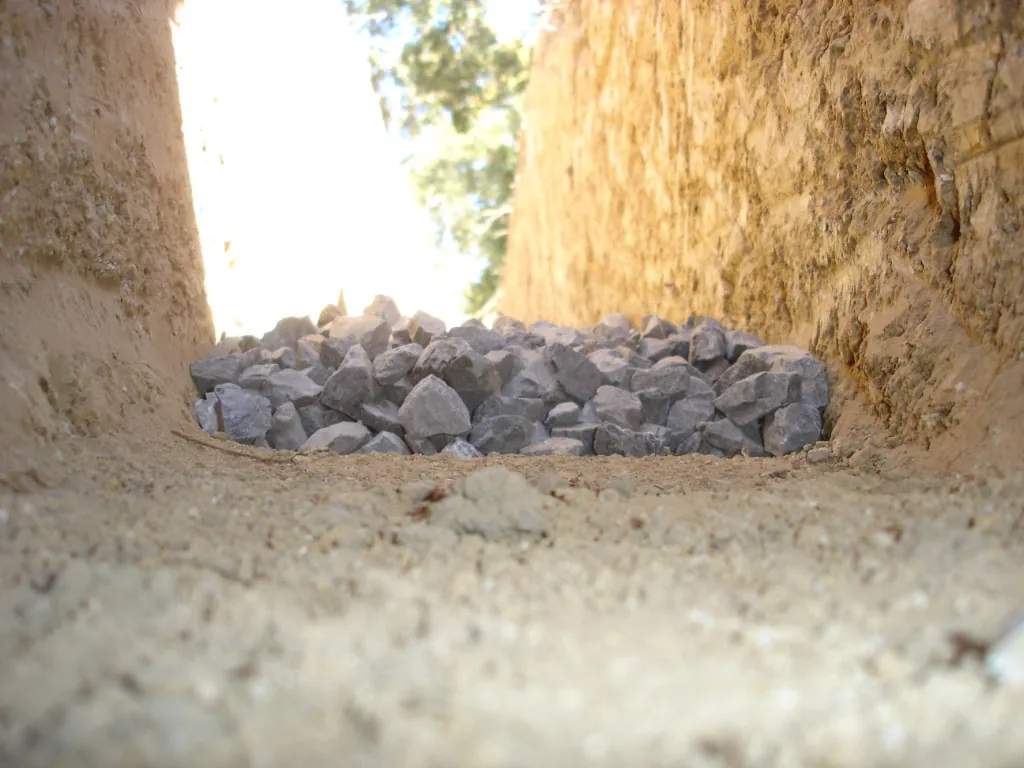
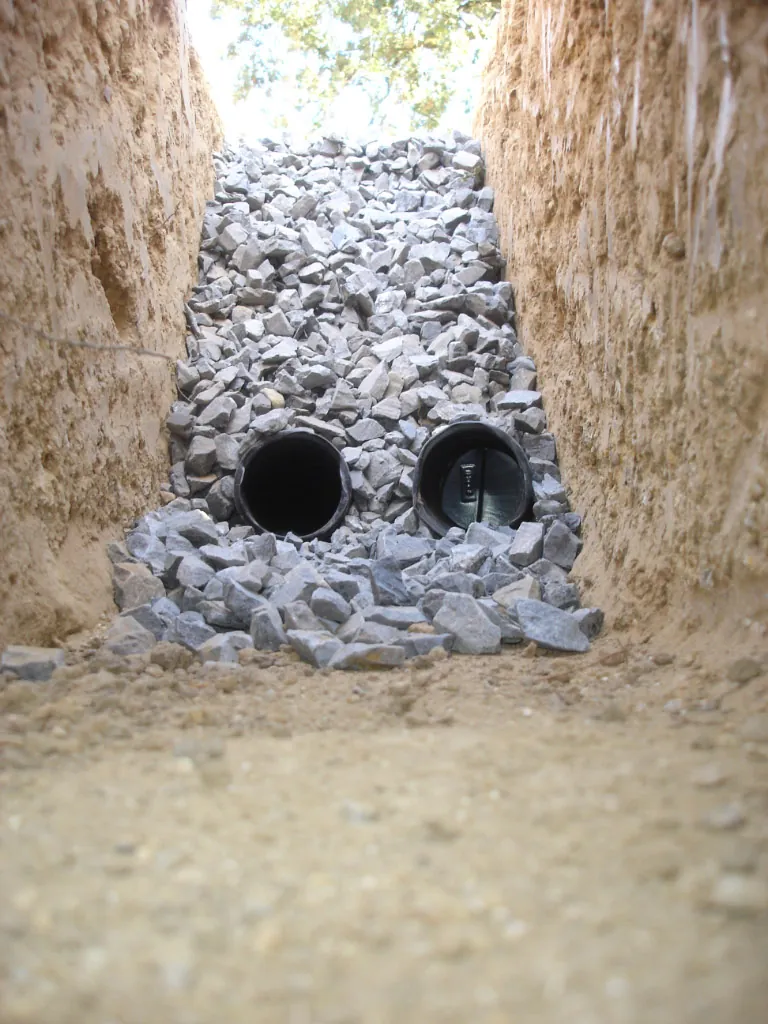
Rich's Paving handles french drain installation for yards, driveways and lots in Petaluma and across Sonoma County. A french drain is perforated pipe laid in gravel below the grade. Water in the soil seeps into the gravel, enters the pipe and runs downhill to an outlet where it can leave. We do a lot of drains, including curtain drains above soggy ground. We are a third generation family paving company, and we have paved Sonoma County since 1988.
When winter rain soaks into slow clay ground, a yard can stay soggy for days after a storm. A french drain pulls that water out of the soil and sends it to a safe spot lower on the property. We look at where the water collects and where it can leave, then plan the drain line between them. Give us a call or ask for an estimate, and we will come out and look at the site.
Tell us about your project and we will get right back to you.
A french drain is a trench filled with gravel, with perforated pipe laid near the bottom. Water in the soil seeps into the gravel, finds the holes in the pipe and runs downhill inside it. The pipe carries the water to an outlet lower on the property, where it can leave safely. A curtain drain works the same way. The Money Pit describes it as a shallow trench dug to collect water, placed just above the saturated area on the uphill side.
A yard needs one when water stands for days after a storm, or the lawn stays soggy long after the rain stops. Other signs are water running toward a building or across a driveway, or pooling against a wall. A french drain is built for water that soaks into the ground. Water that sheets across the surface usually calls for surface grading, a catch basin or a channel drain, which our grading and drainage work covers. Runoff that washes out a rock drive is covered on our gravel driveways page.
NOAA's 1991 to 2020 normals give the Petaluma Airport station 25.56 inches of rain in an average year. About 59 percent of it falls in December, January and February, while July averages just 0.01 inch. The Santa Rosa station runs wetter, with a normal of 31.53 inches a year. So most of a year's rain reaches the ground in three winter months. Soil that drains slowly can stay wet from one storm to the next.
Heavy clay soil makes it worse. The USDA describes the Clear Lake series, a clay soil, as very deep and poorly drained, with slow to very slow permeability. In the wet months of winter, its water table can sit very near the surface. On clay ground of that kind, rain soaks in slowly and the yard stays soggy for days. A french drain gives the water a gravel path into the pipe and a way off the property.
We start by looking at where the water collects and where it can leave the property. Then we plan the fall from the wet spot down to that outlet. Before we dig, we call 811 so underground utility lines get marked. Then we dig the trench. Bob Vila puts it at a minimum of about 18 to 24 inches below the area that needs drainage protection. LawnStarter says the trench should be 1 to 2 feet deep.
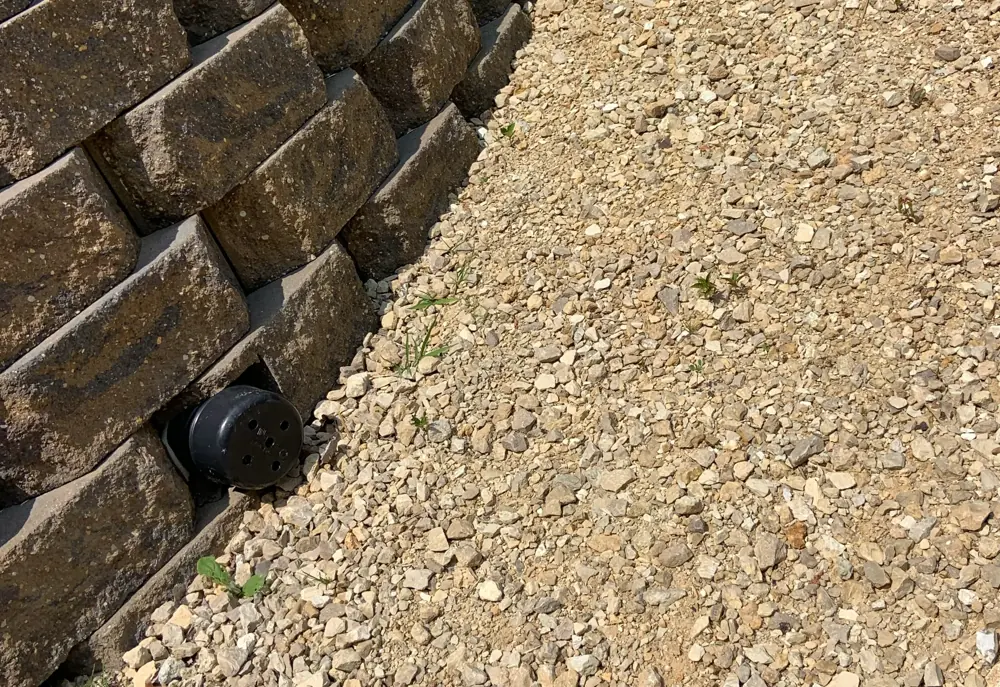
Published guides describe the build itself. This Old House calls for lining the trench with filter fabric and laying perforated pipe, typically 4 inches across, with the holes facing down. A common rule from This Old House and LawnStarter is at least 1 inch of fall for every 8 feet of pipe. Gravel covers the pipe, the fabric folds over the top of the gravel, and we backfill and restore the surface. On retaining walls, we build the drain line in from the start. Drainage also goes in before asphalt driveway paving, so the new surface goes down on drained ground.
The answer turns on the size of the dig and whether the address sits inside a city. Permit Sonoma handles grading permits for the unincorporated county. Among its triggers are cut or fill exceeding 50 cubic yards, and cut or fill greater than 3 feet in depth. For scale, a french drain trench 100 feet long, 1 foot wide and 2 feet deep holds about 7.4 cubic yards of soil. Inside city limits, the city's own permit counter sets the rules.
We check which rules apply to your address before we quote, and the written estimate reflects what we find. Permits are one set of rules, and the state's dig law is another. Under Government Code section 4216.2, notice of an excavation goes in at least two working days before it begins, and not more than 14 calendar days before. That notice goes to the regional notification center, through its website or by calling 811. We make that call before we dig.
Clear written estimates across Petaluma, Santa Rosa & the Bay Area.
(707) 217-0835From the first site visit to the final pass of the roller, here is how it goes.
We come see the site: the old surface, the ground under it, how water moves, and what the job really takes. No blind quotes over the phone.
You get a written estimate with a real number and a real timeline. It covers what is included, from grading and base rock to the finished surface, and it holds unless the scope changes.
Our own crew and equipment show up when we said and build the job the way we quoted it. Base first, then the surface, compacted and finished right.
Before we call a job done, we walk it with you. Clean edges, solid compaction, water running where it should. Done means you say it is done.
Common questions about french drain installation across Petaluma, Santa Rosa & the Bay Area. Don't see yours? Give us a call.
Site grading and drainage systems in Petaluma and across Sonoma County. We shape the ground and give the water a place to go.
Block and stone retaining walls along driveways and slopes, with drainage built in behind them.
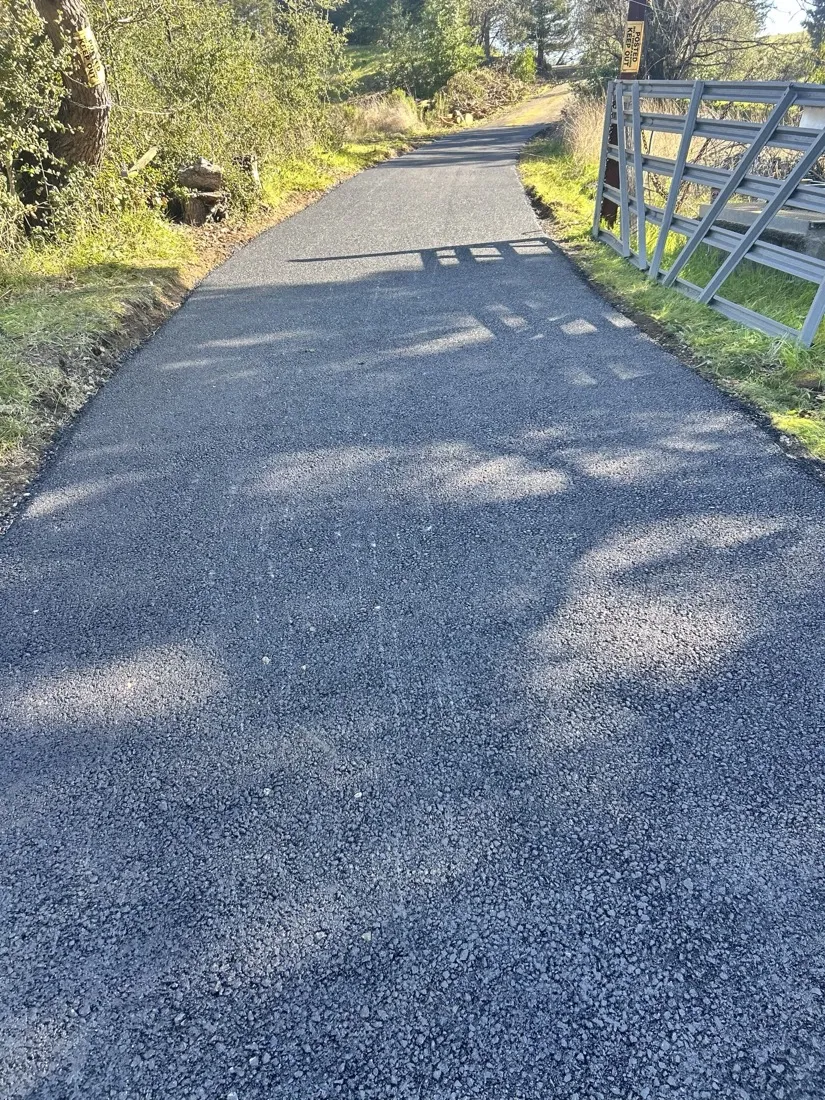
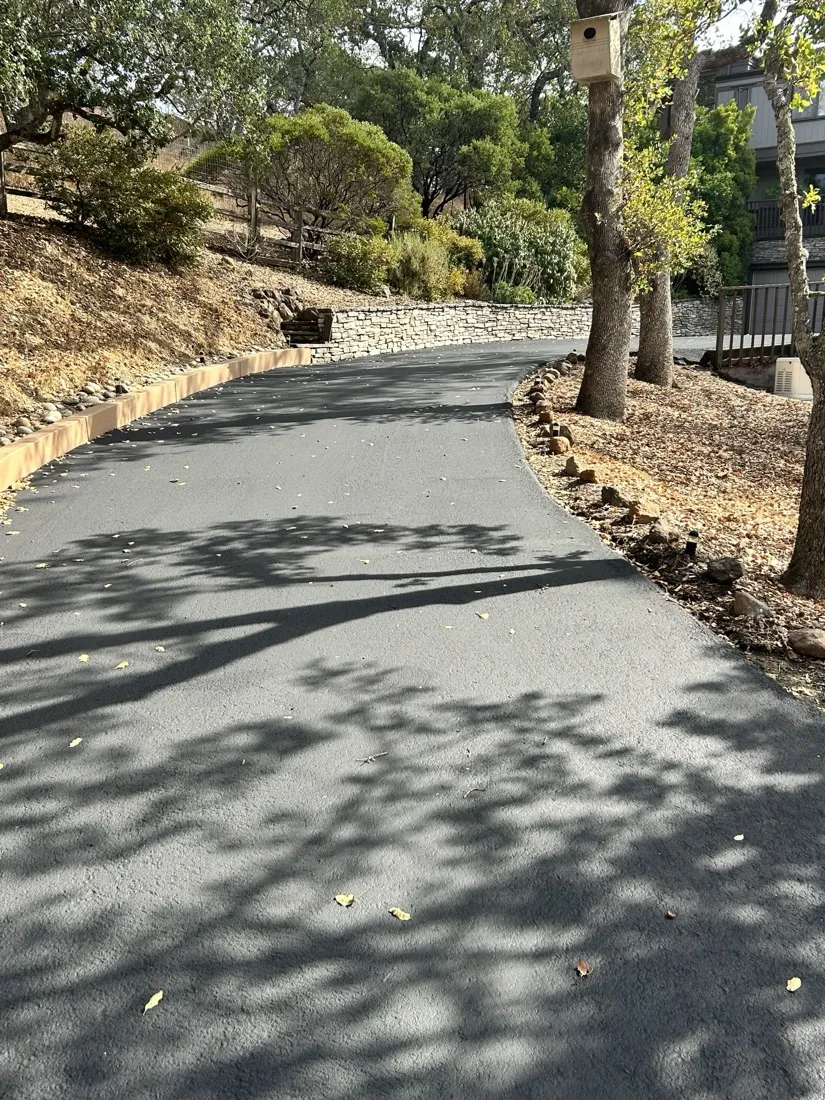
New gravel driveways, regrading and crushed rock topping in Petaluma and across Sonoma County.
Rich's Paving is a third generation family paving company. The family name is on the work, and the family runs the crew on every job.
Most companies do one or the other. We install both, so you get a recommendation based on your property, not on the only material a contractor happens to sell.
Paver, rollers, dump trucks and compaction equipment, run by our own crew. The schedule and the quality stay in our hands from grading to the last pass.
Clay soils that swell in the winter rain and shrink all summer. We have paved on this ground since 1988, and we build the base for what it does.
A driveway past its best years, a parking lot due for new stripes, or a gravel road that needs real grading? Call or send the form. We will come look at the job and put a clear estimate in your hands, from the family that has paved Sonoma County since 1988.
Tell us about your project and we will get right back to you.