Sealcoating
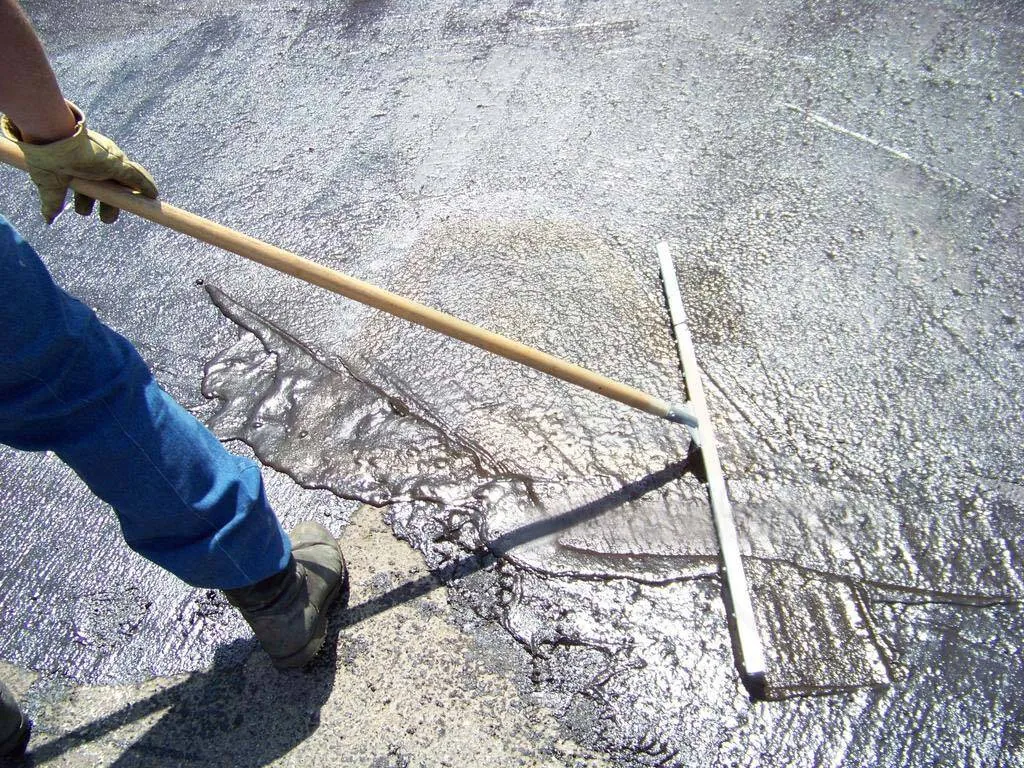
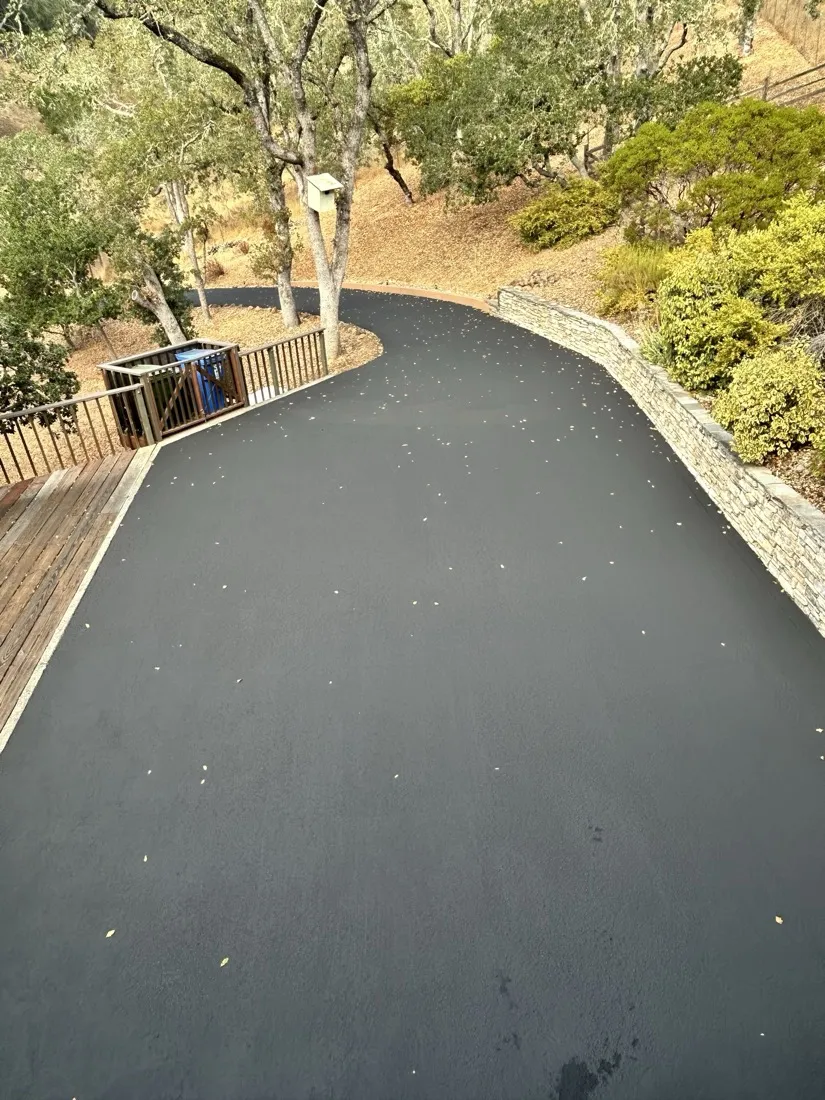
We sealcoat asphalt driveways and parking lots across Sonoma County. A fresh seal coat restores the black finish and slows sun and water damage.
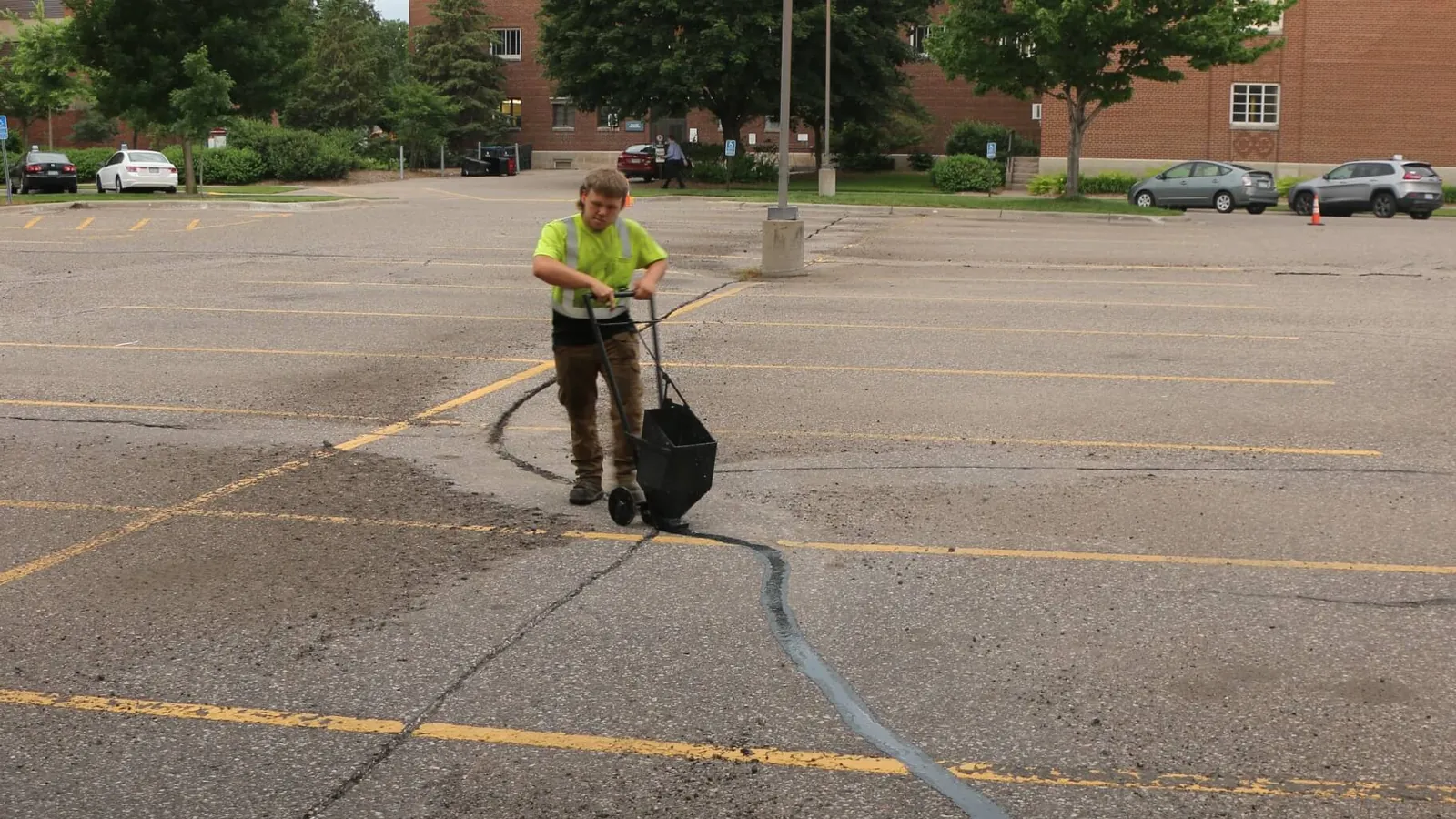
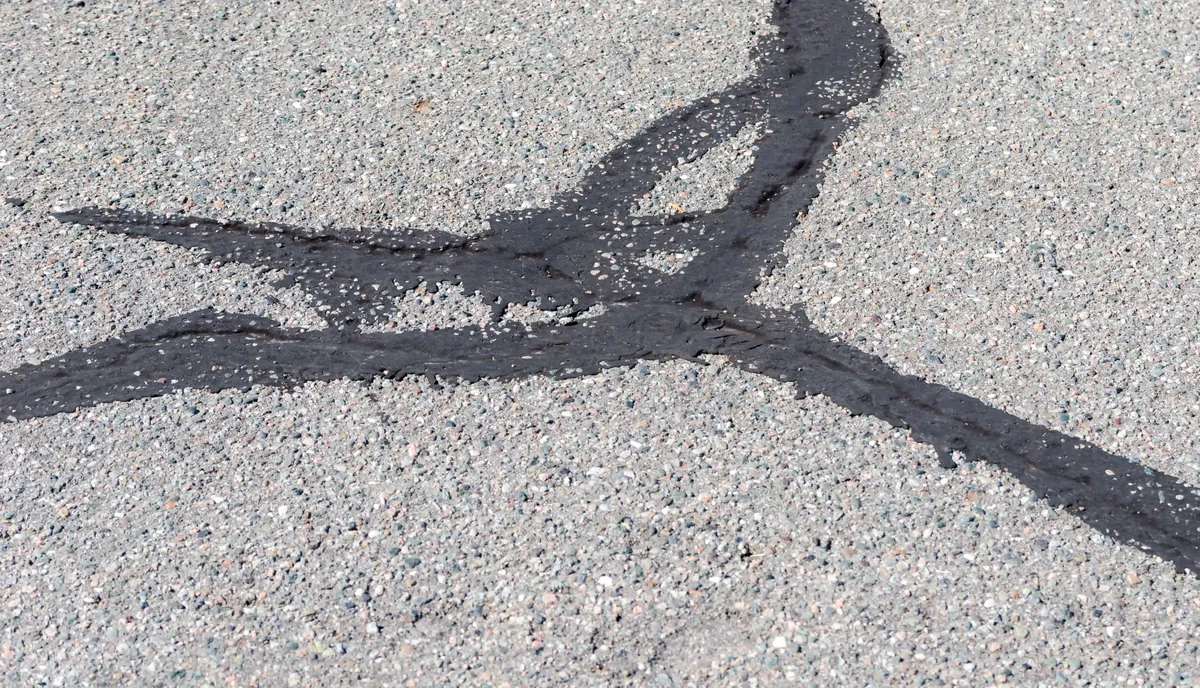
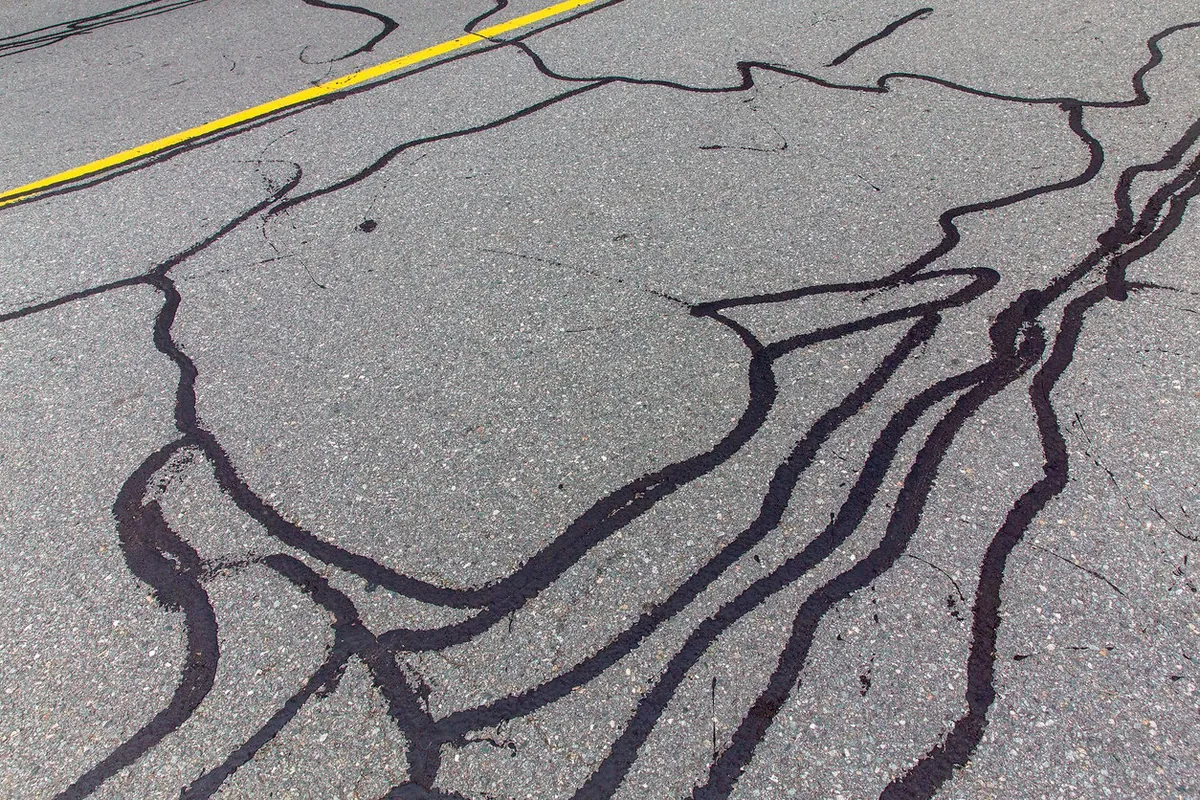
Rich's Paving handles asphalt crack sealing and crack filling for driveways and parking lots in Petaluma and across Sonoma County. An open crack lets rain down into the gravel base, and a soaked base gives way under tires. Sealing a crack while it is still narrow keeps that water out and holds off a pothole. We are a third generation family paving company, and we have paved Sonoma County since 1988.
Crack sealing and crack filling are part of our seal coating and patching work on asphalt. Some cracks move with the seasons and need a sealant that flexes, while others barely move and take a filler. We patch and fill what needs it first, so a seal coat goes down over sound pavement. Give us a call or ask for an estimate, and we will come out and look at the cracks.
Tell us about your project and we will get right back to you.
The Federal Highway Administration's crack sealing manual separates the two by how much a crack moves. Crack sealing places specialized materials above or into working cracks, the ones that open and close through the year. Crack filling puts ordinary materials into non-working cracks to cut down water getting in and reinforce nearby pavement. A crack counts as working when it opens and closes by about 1/8 inch or more over a year.
Working cracks usually run across the pavement, and the sealant in them has to stick to the walls and flex. Non-working cracks include most lengthwise cracks and some block cracks, and a less costly filler can do the job there. The California Department of Transportation's maintenance guide calls crack sealing the longer-term treatment of the two. We look at each crack before we quote, and we pick the treatment that fits it.
The California Department of Transportation's maintenance guide says lengthwise, crosswise and block cracks can be treated with crack sealants. Its project rules cover cracks wider than a quarter inch and up to 1 inch, on sound pavement. Alligator cracking, a pattern like an alligator's skin, is a structural failure that neither sealing nor filling can treat. Left unrepaired, it typically turns into potholes, so those sections need asphalt repair and patching instead.
Crack edges matter too, and the federal manual steers cracks with badly broken edges toward patching rather than sealing. A large number of cracks, or badly broken ones, point to pavement in an advanced state of decay. The same manual calls sealing there uneconomical and technically unsound, since it does little to delay a bigger fix. If the base below is still firm, we would price an asphalt overlay for that surface.
NOAA's 1991 to 2020 normals for its Petaluma Airport station put an average year's rain at 25.56 inches. About 59 percent of that falls in December, January and February, while July averages just 0.01 inch. The state maintenance guide says cracks give surface water a path into the pavement structure, where it causes damage. The federal manual adds that neglected cracks lead to accelerated cracking and potholing, so winter is hard on open cracks.
The state guide calls fall a good season for crack sealing in most of California. Air temperatures then typically run between 45 and 65 degrees Fahrenheit, so cracks sit near the middle of their movement. The federal manual also points to spring or fall, when temperatures are moderately cool and cracks are partly open. We like to seal cracks in the fall, while the pavement is dry and before the winter rain.
We start by cleaning each crack out, because the sealant has to bond to the crack walls to hold. We make sure the crack is dry, then fill or seal it with the material we picked for it. We keep cars and foot traffic off until it sets, so the material stays put in the crack. The sealant has to cure before a seal coat covers it, and the cure time depends on the material.
Once the sealed cracks have cured, asphalt sealcoating can cover the whole surface in a fresh black coat. We give you the timing before we start, so you can plan when cars stay off the drive. On a parking lot, we seal cracks in sections so part of the property stays open for customers. After the seal coat, we handle parking lot restriping so the stalls and arrows are back in place.
Clear written estimates across Petaluma, Santa Rosa & the Bay Area.
(707) 217-0835From the first site visit to the final pass of the roller, here is how it goes.
We come see the site: the old surface, the ground under it, how water moves, and what the job really takes. No blind quotes over the phone.
You get a written estimate with a real number and a real timeline. It covers what is included, from grading and base rock to the finished surface, and it holds unless the scope changes.
Our own crew and equipment show up when we said and build the job the way we quoted it. Base first, then the surface, compacted and finished right.
Before we call a job done, we walk it with you. Clean edges, solid compaction, water running where it should. Done means you say it is done.
Common questions about crack sealing and filling across Petaluma, Santa Rosa & the Bay Area. Don't see yours? Give us a call.
We sealcoat asphalt driveways and parking lots across Sonoma County. A fresh seal coat restores the black finish and slows sun and water damage.
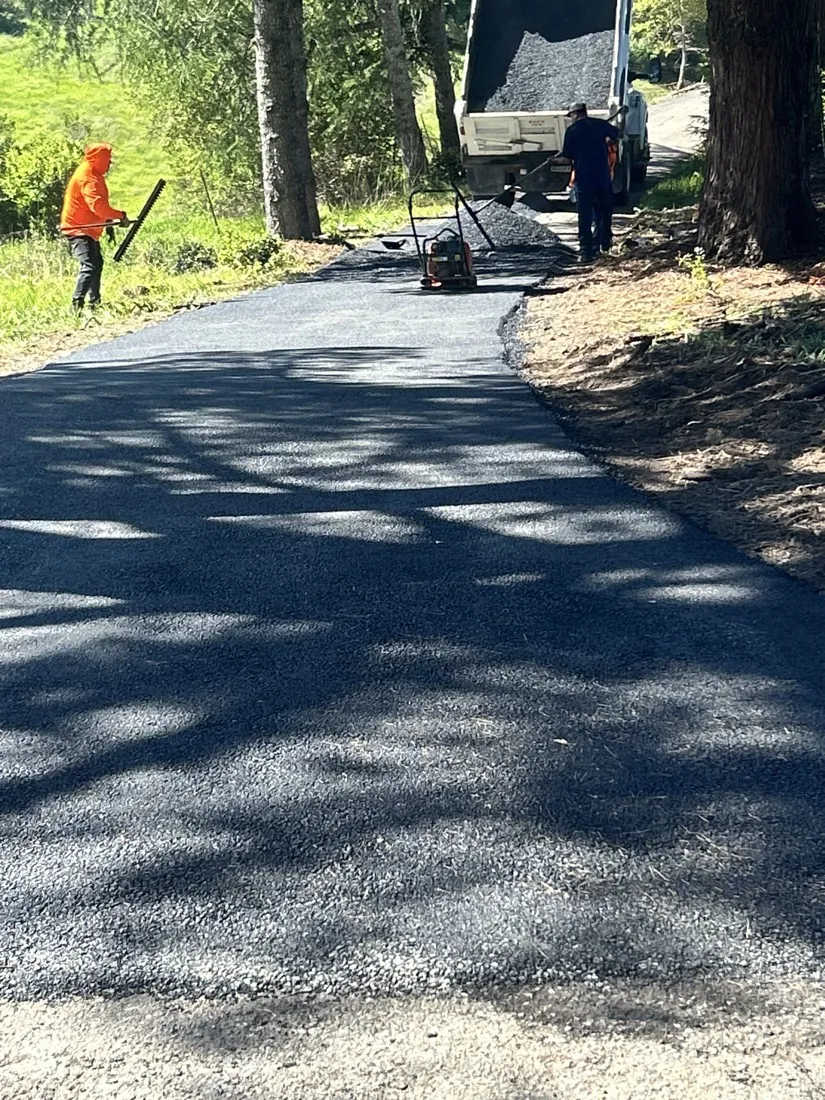
Asphalt repair and patching across Sonoma County. Potholes, cracked sections, crumbling edges and sunken spots on driveways and parking lots.
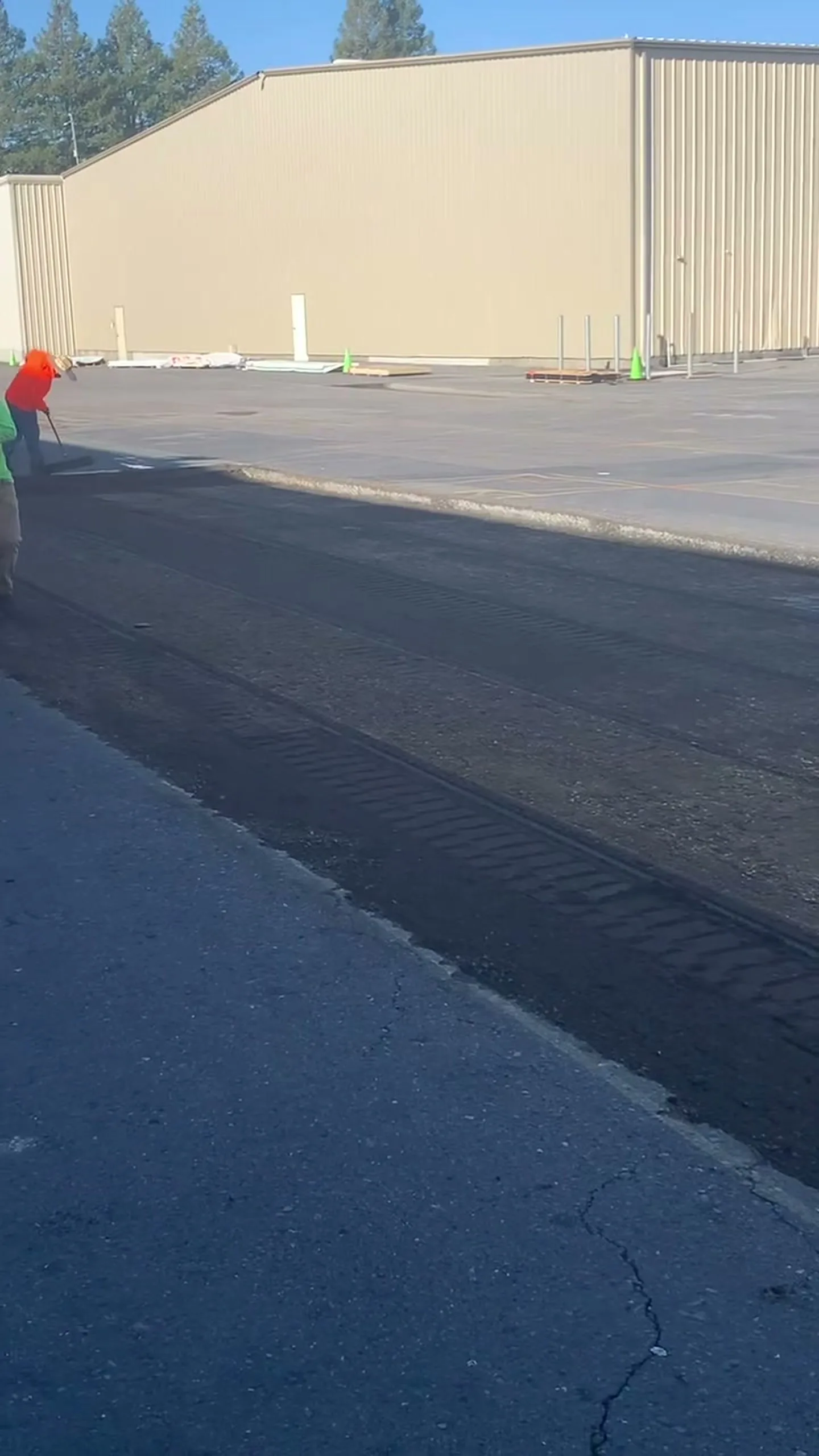
We resurface asphalt driveways and parking lots across Petaluma and Sonoma County, milling the old surface and laying a fresh hot mix overlay.
Rich's Paving is a third generation family paving company. The family name is on the work, and the family runs the crew on every job.
Most companies do one or the other. We install both, so you get a recommendation based on your property, not on the only material a contractor happens to sell.
Paver, rollers, dump trucks and compaction equipment, run by our own crew. The schedule and the quality stay in our hands from grading to the last pass.
Clay soils that swell in the winter rain and shrink all summer. We have paved on this ground since 1988, and we build the base for what it does.
A driveway past its best years, a parking lot due for new stripes, or a gravel road that needs real grading? Call or send the form. We will come look at the job and put a clear estimate in your hands, from the family that has paved Sonoma County since 1988.
Tell us about your project and we will get right back to you.